







Perfect eCommerce solutions for any business. We provide customized solutions for B2B and B2C businesses across multiple industries.
Learn more
Streamline backend operations, improve inventory management, and more with our business management software.
Learn more
We go beyond software to provide the customizations, services, and support your business needs.
Learn more
Business management software tailored to meet the needs of specific industries, including industry-specific regulations.
Learn more
Learn more about business management software and the latest developments in the industry.
Learn more
Blog / Sage ERP B2B Portal Integration: A Complete Guide to Streamlining Your Business
November 19, 2025
In today’s digital-first B2B landscape, customers expect real-time access to accurate account data, transparent pricing, and seamless order management without relying on manual communication. For businesses running Sage ERP, integrating a B2B portal is essential for maintaining a competitive edge in a fast-paced market.
That’s where E-Link by CertiPro comes in. Purpose-built for Sage users, E-Link turns your ERP into the central hub of your online operations by connecting your website or B2B eCommerce customer portal with Sage, creating a single unified system. With direct, real-time synchronization, your Sage ERP remains the single source of truth for orders, inventory, pricing, and customer data.
By eliminating redundant data entry, E-Link helps automate workflows, improve accuracy, and deliver a smooth self-service experience for your customers. From personalized pricing and 24/7 account visibility to instant access to invoices, shipments, and order history, Sage ERP B2B Portal Integration with E-Link allows your business to scale efficiently and reduce overhead. You and your employees can spend more time focusing on what matters most: growth.
Whether you are a distributor, manufacturer, or wholesale enterprise, this complete Sage ERP integration guide demonstrates how integrating your B2B portal with Sage ERP through E-Link can help you streamline operations, enhance customer satisfaction, and future-proof your digital commerce strategy.
Ready to transform your Sage ERP experience?
Empower your business with real-time data visibility and automated workflows while providing a better customer experience with E-Link for Sage ERP. Contact us today to see how a fully integrated B2B portal can simplify your operations and drive growth.
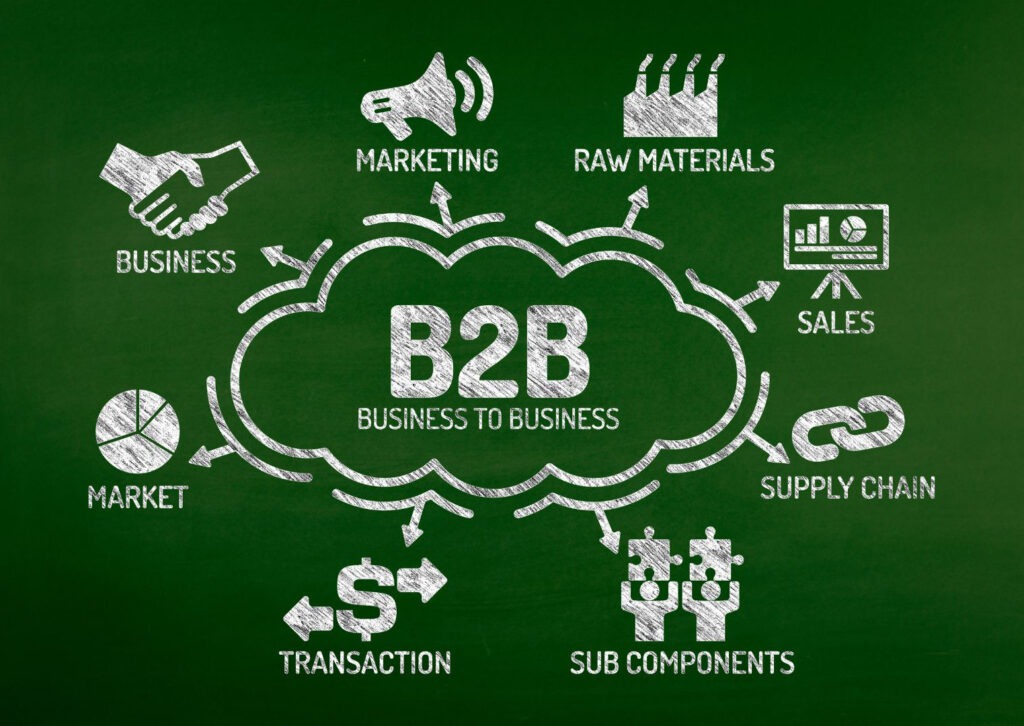
Sage ERP B2B Portal Integration connects your Sage ERP system with an online customer portal or B2B eCommerce platform, creating a unified environment where data flows seamlessly between your back office and your customers. It enables ERP data synchronization. Instead of manually re-entering orders, updating pricing, or tracking invoices in separate systems, the integration ensures that your ERP remains the single source of truth for all business operations.
With a connected B2B portal, your customers gain real-time access to their account information, including order status, invoices, shipments, and payment history. This integration transforms your Sage ERP from a back-office accounting tool into a powerful, customer-facing engine that drives efficiency, transparency, and satisfaction.
E-Link by CertiPro takes this concept even further by enabling direct, real-time synchronization between your Sage ERP and your online portal. Every order, price adjustment, or inventory update is instantly reflected across both systems. This eliminates delays, reduces human error, and ensures your customers always see accurate information.
Beyond improving data accuracy, a Sage ERP B2B portal integration enhances business agility. It allows manufacturers, distributors, and wholesale businesses to automate routine tasks, handle complex pricing models, and scale their online operations without adding administrative overhead. By linking your B2B portal directly to Sage ERP through E-Link, you create a smarter, faster, and more connected business ecosystem that supports long-term digital growth.
A real-time Sage integration improves processes today and sets you up for a better tomorrow.
Integrating your Sage ERP with a B2B portal provides significant advantages for distributors, manufacturers, and wholesale businesses. By connecting your back-office ERP system with a customer-facing portal, you streamline operations, enhance customer satisfaction, and reduce costs. Here are the key benefits:
A Sage ERP B2B portal integration allows real-time synchronization of orders, stock levels, and pricing. Customers can place orders directly through the portal, which automatically updates your ERP system. This eliminates the need for manual order entry and ensures accurate inventory tracking, helping you maintain optimal stock levels and avoid overstock or stockouts. Automation also enables faster order fulfillment and improves overall operational efficiency.
A fully integrated B2B portal empowers customers with 24/7 access to account information. They can view order history, check shipment status, download invoices, and manage payments without contacting your support team. This seamless self-service experience not only increases customer satisfaction but also strengthens loyalty. By providing instant access to relevant and accurate data, you make it easier for customers to do business with you. CertiPro’s E-Link Sage integration streamlines workflows and automates backend order processing.
Manual data entry and disconnected systems can lead to costly errors, delayed orders, and miscommunications. Integrating your B2B portal with Sage ERP reduces these risks by ensuring that all data flows directly and accurately between systems. This minimizes human error, reduces administrative overhead, and lowers operational costs. Businesses can redirect resources from manual tasks toward strategic initiatives that drive growth.

Integrating a B2B portal with your Sage ERP system may seem complex, but following a structured process ensures a smooth and efficient setup. By leveraging a tool like E-Link by CertiPro, businesses can achieve seamless integration that improves efficiency, accuracy, and customer satisfaction.
The first step is to choose your preferred Sage syncing solution and integration provider. Several options are available, and it’s important to select the right one for your business. Choose a tool that provides real-time data exchange between Sage and your eCommerce platform, as well as flexibility to meet your growing business needs. Your integration partner should handle most of the heavy lifting of establishing your new Sage ERP B2B portal integration.
Before connecting your B2B portal, it is essential to prepare your Sage ERP system. Start by reviewing your existing data, including product catalogs, customer records, pricing structures, and inventory levels. Clean up outdated or duplicate information to ensure accuracy once synchronization begins. Next, confirm that your ERP software is updated to the latest version and that you have the appropriate permissions and API access needed for integration. Proper preparation minimizes errors, prevents delays, and ensures your ERP is ready to serve as the central hub for your B2B portal.
With your ERP prepared, the next step is to establish the integration with your B2B portal. Tools like E-Link provide direct, real-time connections between Sage ERP and your customer portal. Your implementation partner should handle many of these tasks. Configure data mapping to ensure that orders, inventory updates, pricing, and customer information flow accurately between systems. Set up automated workflows, including order processing, invoice generation, and shipping updates. This integration eliminates the need for manual data entry, streamlines operations, and provides your customers with real-time visibility into their transactions.
Once the connection is configured, thorough testing is critical to ensure everything works correctly. Test key functions such as order submission, payment processing, inventory updates, and customer account access. Validate that data flows correctly between Sage ERP and the B2B portal and that any automated pricing or discounts apply accurately. Address any discrepancies or errors before going live. Continuous monitoring after launch ensures the integration remains reliable and that your customers experience a seamless, efficient portal experience.
While integrating a B2B portal with Sage ERP offers significant benefits, businesses may encounter challenges during implementation or ongoing use. Understanding these common issues and how to address them ensures a smooth, reliable integration and a better experience for both your team and your customers.
One of the most frequent challenges of implementing a Sage 100 B2B portal integration is ensuring that data flows accurately and in real time between Sage ERP and your B2B portal. Inconsistent or delayed synchronization can result in incorrect inventory levels, pricing errors, or incomplete customer information. To overcome this, use an integration tool like E-Link that provides automated, real-time updates and centralized data management. Regularly audit your data, monitor synchronization logs, and address discrepancies promptly to maintain accuracy across all systems.
Another common challenge involves managing who can access specific data and functionality within your portal. Incorrect permissions can lead to unauthorized access, operational mistakes, or frustrated customers. Implement a clear user role strategy, assigning access based on job function and customer needs. Test the permission settings thoroughly during implementation and periodically review them to ensure security while maintaining usability.
Protecting sensitive business and customer data is critical when integrating your ERP with a B2B portal. Security risks can include data breaches, unauthorized access, or non-compliance with industry regulations. Overcome these challenges by choosing a secure Sage 100 B2B portal integration solution like E-Link, which uses encrypted connections, multi-factor authentication, and improves compliance with standards such as GDPR or SOC 2. Regularly update your security protocols and monitor for potential vulnerabilities to keep your data safe.
By proactively addressing these common challenges, businesses can maximize the benefits of Sage ERP B2B portal integration while maintaining operational efficiency, security, and customer trust.
Once your Sage ERP is integrated with a B2B portal through E-Link, following best practices ensures the system continues to operate efficiently, securely, and reliably. Maintaining a smooth integration helps prevent errors, improve productivity, and deliver an exceptional experience to your customers.
Consistently monitoring your ERP and portal integration is essential to detect potential issues before they impact operations. Track data synchronization, order processing, inventory updates, and customer transactions to identify discrepancies quickly. Use built-in monitoring tools or dashboards provided by your integration solution, such as E-Link, to maintain real-time visibility and ensure your systems are always aligned.
Your team plays a crucial role in maintaining a smooth integration. Ensure employees are trained on how the integrated system works, including order management, customer support, and reporting functions. Provide clear guidelines and access to ongoing support resources so staff can troubleshoot issues efficiently. Well-informed users reduce errors, improve customer satisfaction, and maximize the value of your Sage ERP and B2B portal integration.
Integration works best when both your ERP system and B2B portal are running the latest software versions. Updates often include performance improvements, security patches, and new features that enhance integration reliability. Schedule regular updates and maintenance checks for Sage ERP and your B2B portal to ensure compatibility with E-Link and maintain seamless operations.
By following these best practices, businesses can sustain a high-performing, secure, and reliable Sage ERP B2B portal integration, ensuring long-term efficiency and a superior customer experience.
Businesses across industries are leveraging Sage ERP B2B portal integration to streamline operations, reduce costs, and enhance customer satisfaction. For example, a mid-sized distributor integrated their Sage 100 system with a B2B portal using E-Link. As a result, order processing times dropped by 40%, inventory accuracy improved, and customers gained 24/7 access to invoices, shipments, and order history.
Another example comes from a manufacturing company using Sage X3. By connecting their ERP with a self-service portal, they automated complex pricing structures, allowed customers to place repeat orders effortlessly, and significantly reduced manual errors in order entry. The integration not only improved operational efficiency but also strengthened relationships with their B2B clients by providing a transparent, reliable purchasing experience.
Integrating a B2B portal with your Sage ERP system is an investment in efficiency, accuracy, and customer satisfaction. If your business manages multiple orders, complex pricing, or growing inventory needs, a seamless integration with E-Link can reduce manual work, prevent costly errors, and provide your customers with the self-service experience they expect.
Sage ERP B2B portal integration is particularly valuable for distributors, manufacturers, and wholesale enterprises that want to scale operations, improve visibility, and future-proof their digital commerce strategy. By connecting your ERP directly to a B2B portal, you create a unified system that serves as a single source of truth, ensuring real-time data accuracy across all channels.
Ready to streamline B2B operations with Sage ERP and deliver a superior customer experience? Explore E-Link by CertiPro today and discover how a fully integrated Sage ERP B2B portal can drive growth, efficiency, and long-term success.
A Sage ERP B2B portal integration connects your Sage ERP system with an online business portal, enabling real-time data exchange for orders, inventory, pricing, and customer accounts. It provides your B2B customers with instant, self-service access to accurate information directly from Sage, reducing manual work and errors.
Sage ERP digital transformation empowers companies to modernize operations, streamline workflows, and leverage real-time insights for smarter business decisions.
A Sage ERP–integrated B2B portal centralizes customer interactions and automates key workflows. Businesses benefit from reduced data entry, faster order processing, enhanced customer experiences, and improved visibility across sales and inventory, all of which streamline operations and boost profitability.
Sage ERP business process automation further streamlines operations by automatically managing tasks such as order processing, inventory updates, and invoicing, increasing efficiency and reducing errors across your organization.
Integration eliminates manual data entry by syncing orders placed on your B2B portal directly with Sage ERP. This ensures accurate pricing, real-time inventory updates, automated invoicing, and faster fulfillment, reducing delays and costly mistakes.
Yes. Sage ERP can integrate seamlessly with eCommerce platforms such as Magento, Shopify, and WooCommerce through middleware solutions like E-Link. This allows you to manage all B2B and B2C data in one system, automatically syncing orders, customers, and product details.
Automating Sage ERP inventory sync ensures your stock levels are always up to date across your B2B portal and eCommerce channels, reducing errors and improving order fulfillment.
A Sage ERP B2B portal integration provides multiple benefits for businesses, including saving time and reducing costs.
Other key benefits include:
Implementation time varies based on several factors, including complexity, data volume, and required customizations. Generally, our E-Link Sage ERP B2B portal takes between 12 and 16 weeks to implement, although it may take longer if extensive customizations are needed.
E-Link by CertiPro is a leading integration platform that connects Sage ERP with B2B portals and eCommerce systems such as Magento. It provides real-time, bidirectional syncing to automate operations and deliver a unified digital commerce experience.
Businesses can connect Sage ERP with Magento, WooCommerce, and Shopify to synchronize orders, inventory, and customer data in real time, creating a seamless and efficient eCommerce experience.
A Sage B2B portal is an online platform that connects directly to your Sage ERP system, giving business customers secure self-service access to real-time data such as orders, invoices, inventory, and account history. It streamlines B2B operations by automating order entry, reducing manual data handling, and improving customer satisfaction. With seamless integration through tools like E-Link, Sage B2B portals help companies simplify complex workflows and create a connected digital commerce experience.
A Sage ERP customer portal provides clients with secure access to real-time order history, invoices, and account information, enhancing self-service capabilities and streamlining B2B interactions.
A Sage ERP eCommerce integration connects your Sage ERP system with online stores such as Magento, Shopify, or WooCommerce to enable real-time data exchange. It automatically syncs orders, inventory, pricing, and customer information, eliminating manual entry and errors. This integration helps businesses streamline operations, improve order accuracy, and deliver a seamless customer experience across all sales channels.
Businesses can integrate Sage ERP with eCommerce platforms like Magento or Shopify to streamline order management, synchronize inventory, and deliver a seamless online shopping experience. Such integrations enhance Sage ERP order management and improve workflow automation.
Sage ERP automation uses integrated tools and workflows to eliminate manual data entry and repetitive tasks within your Sage ERP system. It automates processes such as order management, invoicing, inventory updates, and reporting, ensuring real-time accuracy across departments. By reducing errors and saving time, Sage ERP automation improves efficiency, productivity, and overall business scalability.
Implementing B2B portal integration for Sage ERP allows businesses to automate orders, synchronize inventory in real time, and provide customers with a seamless self-service experience.
A Sage ERP integration for manufacturers and distributors streamlines operations by connecting inventory, orders, and customer data across all sales channels in real time.
Yes. E-Link works with multiple versions of Sage ERP. It is explicitly designed to integrate with the following Sage platforms:
It provides a robust Sage 300 B2B integration. CertiPro’s integration solutions help businesses automate B2B workflows, reduce manual tasks, improve order accuracy, and accelerate overall operational efficiency.
Improving order accuracy with Sage ERP integration helps businesses reduce errors, streamline fulfillment, and ensure customers receive the right products on time.
ERP integration best practices ensure a smooth and efficient connection between your ERP system and other business applications. They include:
Following these practices improves accuracy, saves time, and maximizes the ROI of your ERP integration.
Sage ERP integration automates workflows, reduces manual data entry and errors, provides real-time information on inventory, orders, and finances, improves operational efficiency, enhances reporting and business insights, and ensures a better customer experience with accurate, timely data.
Implementing ERP-to-portal data automation allows businesses to synchronize orders, inventory, and customer information seamlessly between their ERP system and B2B portal.
Integrating Sage ERP with a B2B portal connects your back-office operations directly with your online sales channels, enabling real-time synchronization of orders, inventory, pricing, and customer information. The process typically involves selecting an integration solution or middleware, configuring API connections between Sage ERP and the portal, mapping data fields (such as SKUs, order statuses, and customer accounts), and testing the workflow to ensure accurate and seamless data transfer. Once set up, this integration automates routine tasks, reduces manual errors, and provides a unified view of business operations, helping both your team and customers access up-to-date information instantly.
The Sage ERP B2B integration solution is a software tool or middleware that connects your Sage ERP system with a B2B portal, automating the flow of orders, inventory, pricing, and customer data. It ensures real-time synchronization between your back-office operations and online sales channels, reduces manual entry and errors, and provides a seamless, unified experience for both your team and your customers.
A real-time Sage ERP and eCommerce synch ensures that inventory, orders, and customer data are always up to date across all sales channels, reducing errors and improving efficiency.